41 allergens required on food labels
Food Allergy & Anaphylaxis | Food Labeling | Food Labels Only crustacean shellfish (e.g. crabs, shrimp, lobster, or crayfish) and not mollusks (eg. clams, mussels, scallops, or squid) are required to be labeled on packaged goods. The labeling law applies only to foods regulated by the FDA. Food Allergies | FDA - U.S. Food and Drug Administration Food allergies occur when the body's immune system reacts to certain proteins in food. Food allergic reactions vary in severity from mild symptoms involving hives and lip swelling to severe,...
Allergen guidance for food businesses | Food Standards Agency 14 allergens. Food businesses need to tell customers if any food they provide contain any of the listed allergens as an ingredient. Consumers may be allergic or have intolerance to other ingredients, but only the 14 allergens are required to be declared as allergens by food law.

Allergens required on food labels
FALCPA identifies eight foods or food groups as the major food allergens. They are milk, eggs, fish (e.g., bass, flounder, cod), Crustacean shellfish (e.g., crab, lobster, shrimp), tree nuts (e.g.,... Allergen labelling for food manufacturers 14 allergens If your product contains any of the main 14 allergens as an ingredient or processing aid, it must be included on the label. The 14 main allergens are: celery cereals containing gluten... Food Allergen Labeling: Helpful Hints To Manage "May Contain" Labeling ... Know the less common names for relevant food allergens. The eight most common food allergens are required to be listed as their common name, but less common allergens are not held to this same level of scrutiny. According to the FDA, " FALCPA identifies eight foods or food groups as the major food allergens. They are milk, eggs, fish (e.g ...
Allergens required on food labels. Allergens- Voluntary Labeling Statements | Food Safety and Inspection ... Issue Date June 2013. This guidance document assists firms formulate voluntary labeling statements regarding the possible presence of allergens in products. Label review for meat, poultry, and egg products is required by statute at 21 USC 607 (d), 456 (c), and 1036 (b), respectively. Under the Federal Meat Inspection Act (FMIA), the Poultry ... Allergen Labeling Requirements - Fortress Nutrition | Packaging & Labeling The first requirement for labeling says that a product label needs to contain the name and address of the manufacturer. Similarly, legal labeling should also contain contact details for a consumer line (or e-mail address) where consumers can reach the company about any concerns. Lastly, a detailed list of ingredients is also required by law ... Food Allergen Labelling | Laws. Types Of Labels, Effectiveness There are 14 food allergens that you need to be aware of and these ingredients must be clearly marked and declared on any food offered for sale. Nuts (almonds, hazelnuts, walnuts, pecan nuts, sesame, Brazil nuts, pistachio, cashew, Macadamia or Queensland nut). Peanuts. Eggs including egg derived substances such as albumen. Milk and dairy. TTBGov - Major Food Allergen Labeling TTB has published an interim rule, effective July 26, 2006, allowing the voluntary labeling of major food allergens on the labels of wines, distilled spirits, and malt beverages. The regulatory provisions allowing the voluntary labeling of major food allergens are contained in T.D. TTB-53, published in the Federal Register on July 26, 2006.
Must allergens be declared on labels? - USDA Must allergens be declared on labels? Jul 17, 2019 Knowledge Article Yes. All food products containing two or more ingredients are required by federal regulations to bear an ingredients statement listing all ingredients by common or usual name in descending order of predominance. TTBGov - Allergen Labeling consistent with the provisions of the food allergen labeling and consumer protection act of 2004, falcpa, the interim rule defines a "major food allergen" to mean any of the following: milk, egg, fish (for example, bass, flounder, or cod), crustacean shellfish (for example, crab, lobster, or shrimp), tree nuts (for example, almonds, pecans, or … Food Allergen Labelling - Canada.ca The Food and Drug Regulations require that most prepackaged foods carry a label and that the ingredients appear on labels in decreasing order of proportion. However, some ingredients used in food products which were previously exempt from declaration in the list of ingredients, (e.g., components of margarine, seasoning and flour) will now be required to appear on food labels also. Food Allergies | Food Safety and Inspection Service A food allergy is a potentially serious response to consuming certain foods or food additives. For those who are sensitive, a reaction can occur within minutes or hours, and symptoms can range from mild to life threatening. The eight leading causes of food allergies are milk, eggs, fish, shellfish, tree nuts, peanuts, wheat, and soybeans.
Understanding the FDA Food Allergen Labeling Requirements - enKo Products Are We Required to List Allergens on Our Food Labels? Yes, manufacturers need to declare the presence of allergens in their product if it has any. It is required by law under the Food Allergen Labeling and Consumer Protection Act, which is simply known as "FALCPA." Food allergies occur when some types of food trigger an immune reaction. Food Labelling for the Food Allergic Consumer | FARRP | Nebraska This means that a food ingredient which can cause a reaction in food hypersensitive consumers may be in a food without being declared on the ingredients label. To help ensure this does not happen, the Food Allergen Labelling and Consumer Protection Act (FALCPA) was passed in the U.S. in 2004. This Act requires the presence of the eight major ... Food Labels: Read It Before You Eat It! - American Academy of Allergy ... Ingredients of these most common eight allergens must be labeled with clearly recognized English names of the food source as listed above. The "contains" statement is "voluntary", but if used, must include ALL of the allergenic ingredients from the list of eight allergenic sources as described in item 14 of the 2006 guidance document. Food Allergen Labeling: Helpful Hints To Manage "May Contain" Labeling ... Know the less common names for relevant food allergens. The eight most common food allergens are required to be listed as their common name, but less common allergens are not held to this same level of scrutiny. According to the FDA, " FALCPA identifies eight foods or food groups as the major food allergens. They are milk, eggs, fish (e.g ...
ISO 22000 Resource Center: ISO 22000:2018 Allergen Management ...
Allergen labelling for food manufacturers 14 allergens If your product contains any of the main 14 allergens as an ingredient or processing aid, it must be included on the label. The 14 main allergens are: celery cereals containing gluten...
The Package Label: Food Allergens | Food Safety
FALCPA identifies eight foods or food groups as the major food allergens. They are milk, eggs, fish (e.g., bass, flounder, cod), Crustacean shellfish (e.g., crab, lobster, shrimp), tree nuts (e.g.,...
Food Labelling for the Food Allergic Consumer | FARRP | Nebraska

Labeling and Allergens
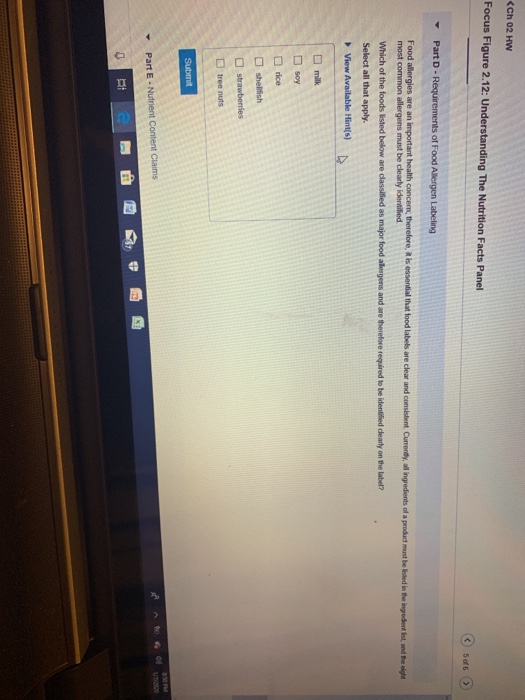
Solved (Ch 02 HW Focus Figure 2.12: Understanding The | Chegg.com
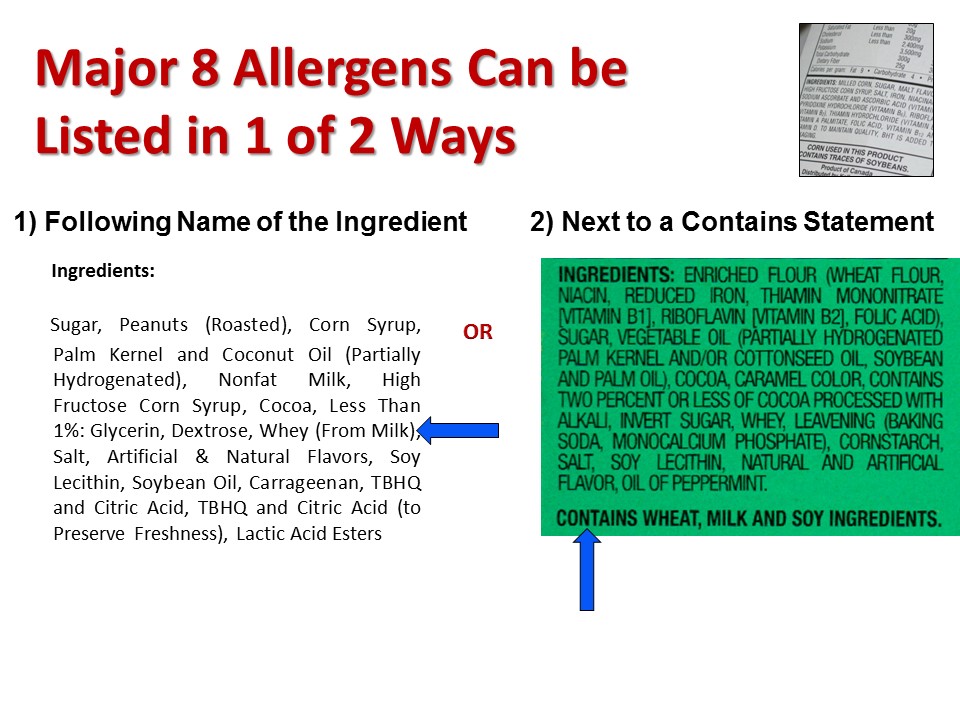
Schools @ AllergyHome.org - Helping Schools Manage Allergies
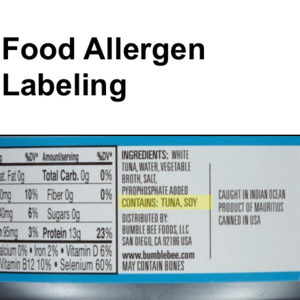
Allergen Labeling Requirements — FDA Reader
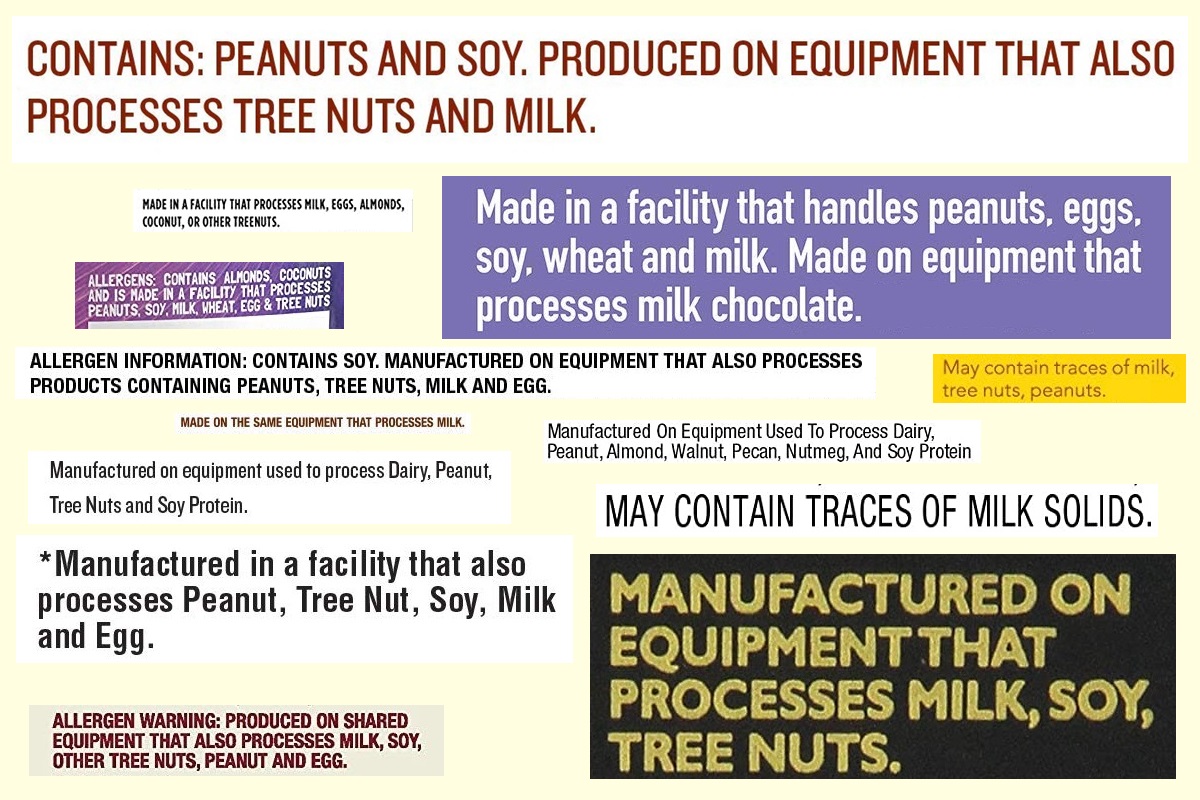
What are “May Contain” Allergy Statements and What They Mean ...

Differences between EU and US nutrition labels go far beyond ...
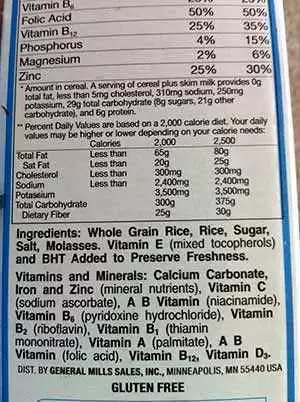
Canada Requires All Food Labels to Declare Gluten, Other ...
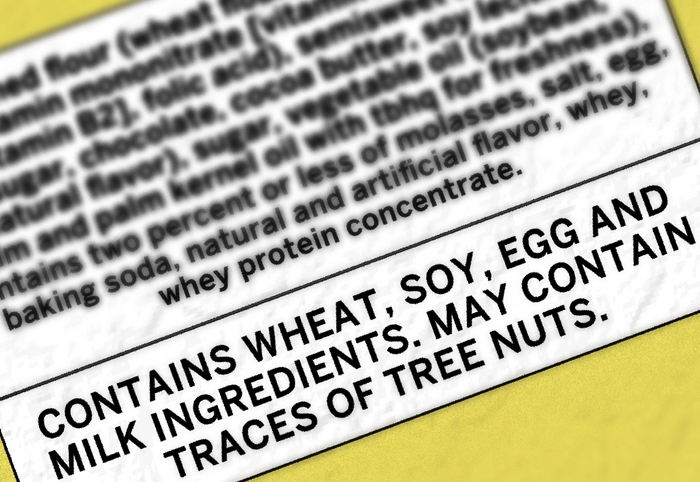
Detecting Food Allergens

Petition · Require Proper Labeling for Food Allergens ...
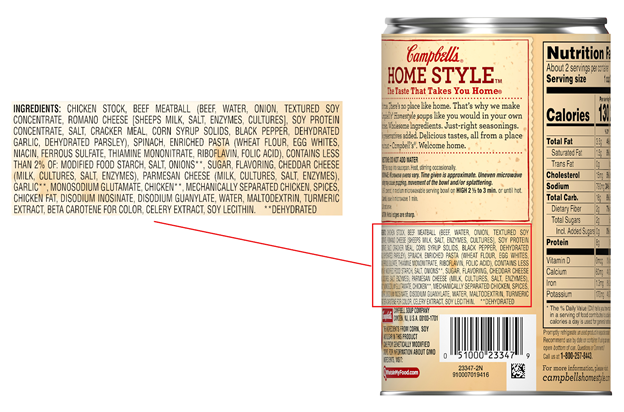
Understanding the FDA Food Allergen Labeling Requirements
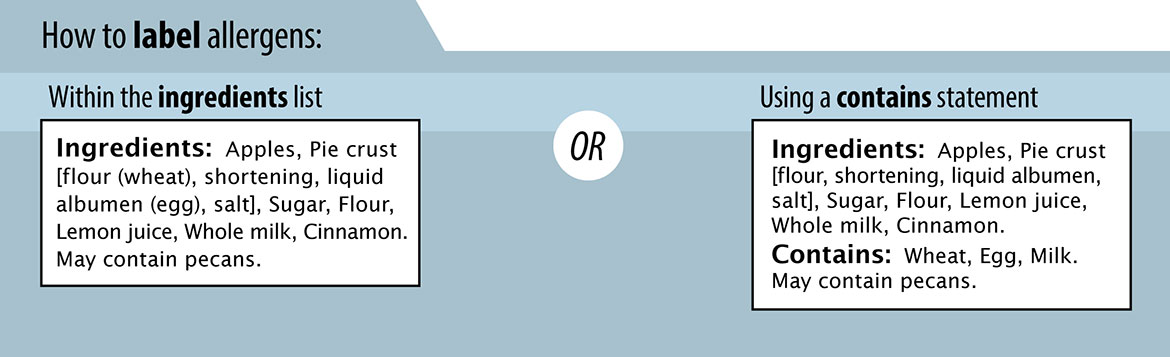
How to label allergens on your food product - Canadian Food ...
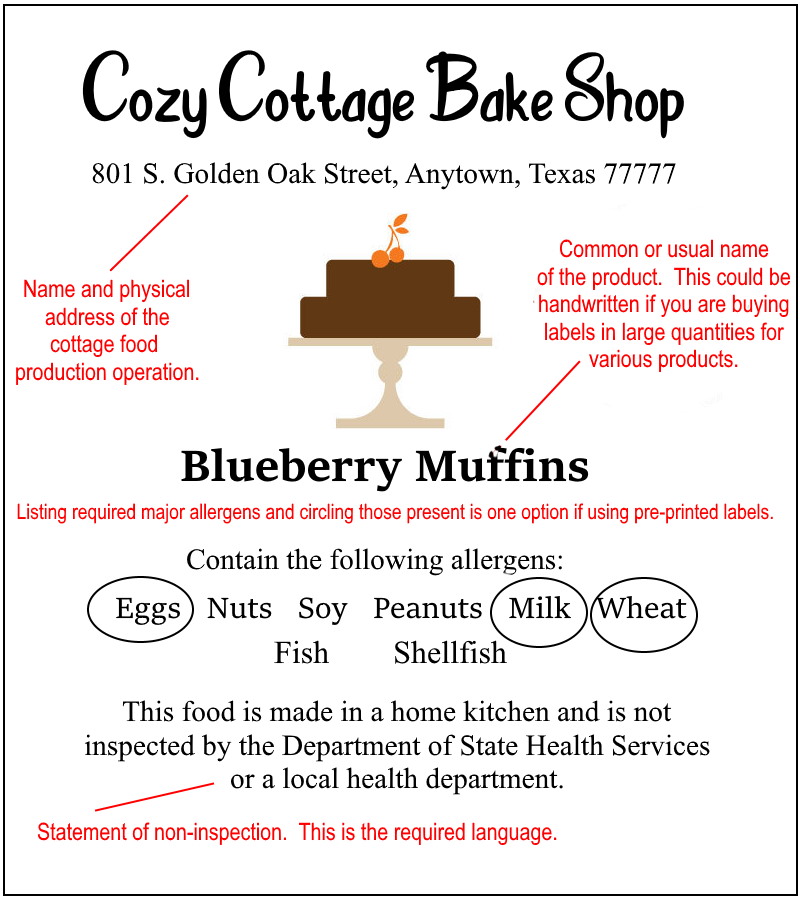
Labels - Texas Cottage Food Law

Download the Graphic: What You Need to Know About Allergen ...

Food Allergies

10 x FOOD ALLERGEN ALLERGY WARNING ALERT SAFETY STICKER/LABEL ...
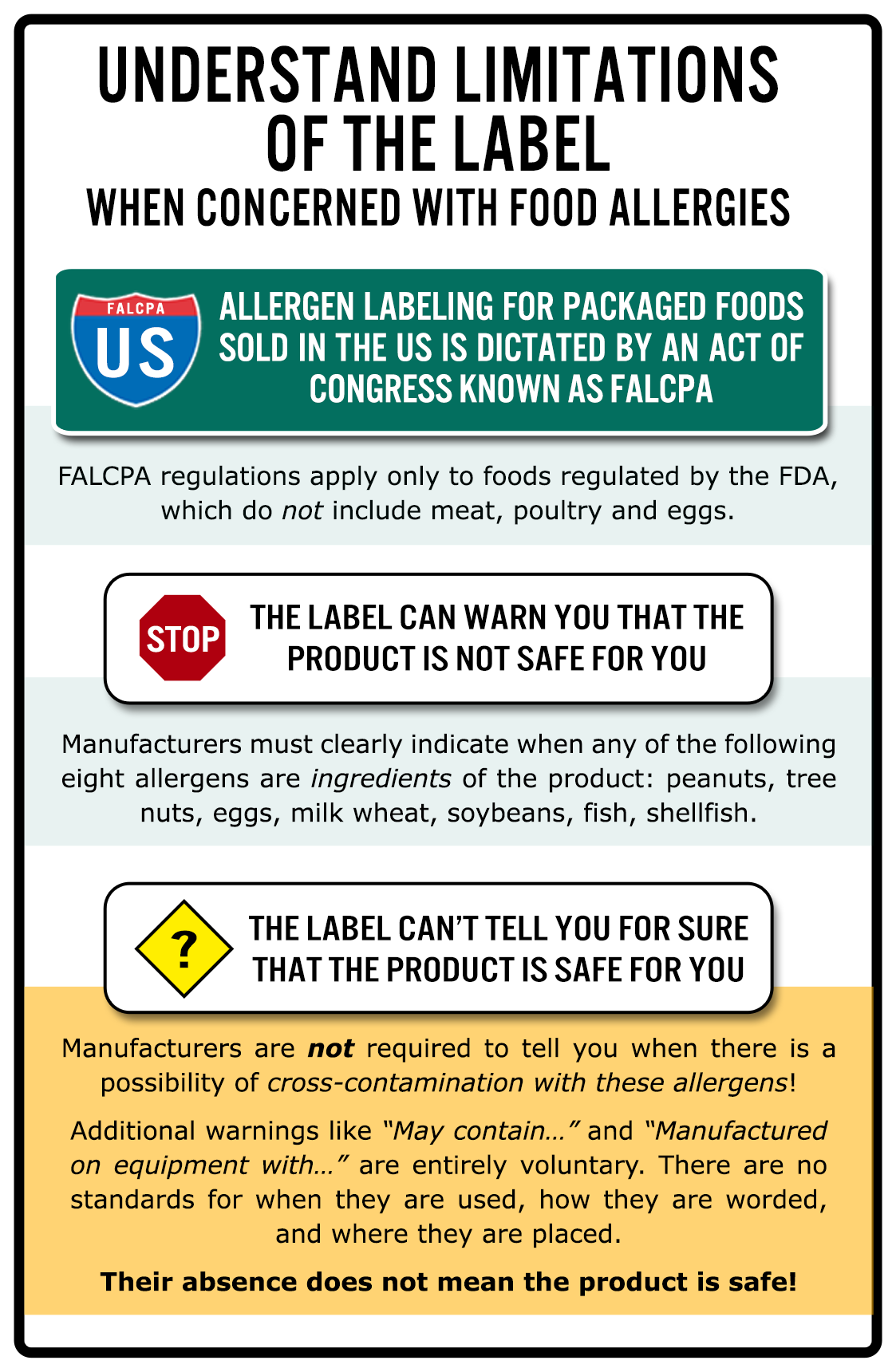
Study: Confusing Food Labels Place Allergic Consumers At Risk ...
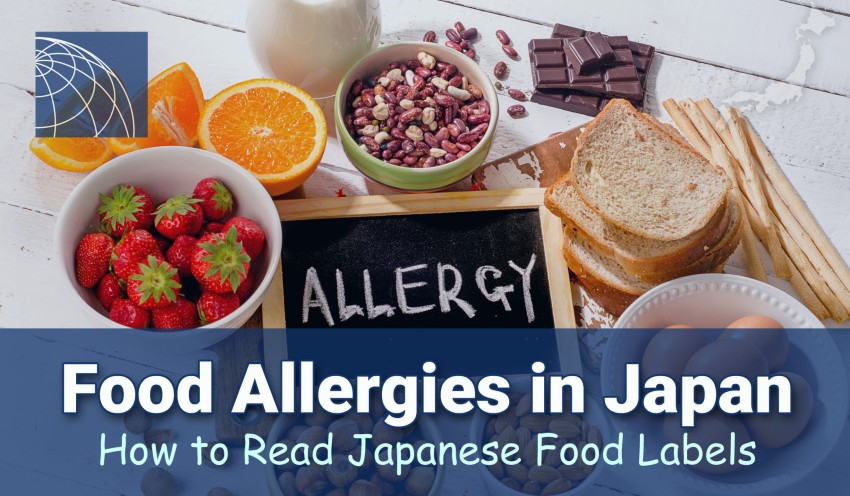
Food Allergies in Japan: How to Read Japanese Food Labels ...

Living with Food Allergies | Allergy & Asthma Network
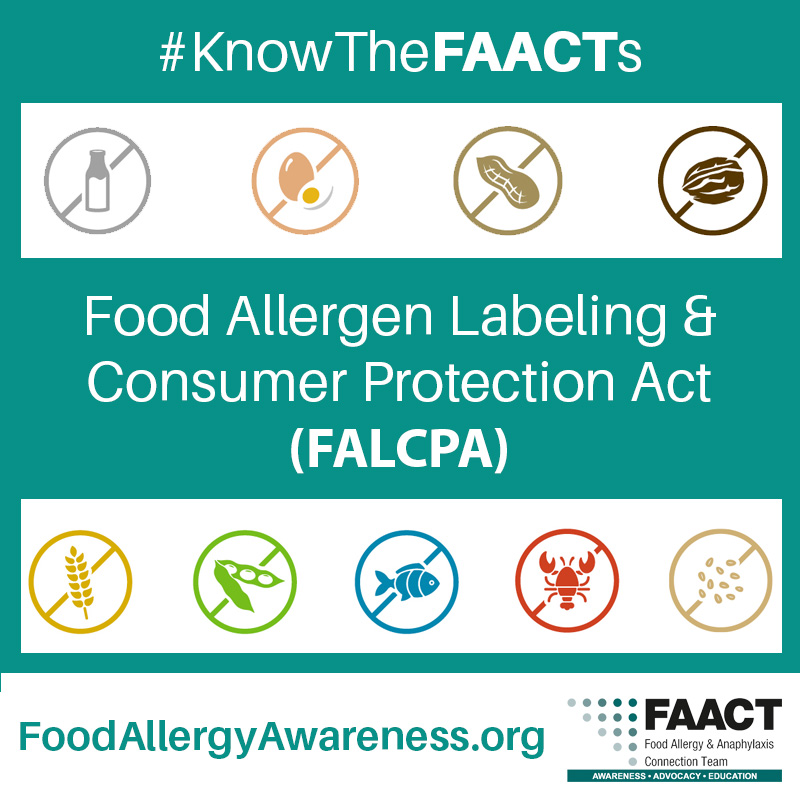
Food Allergy & Anaphylaxis | Food Labeling | Food Allergen ...
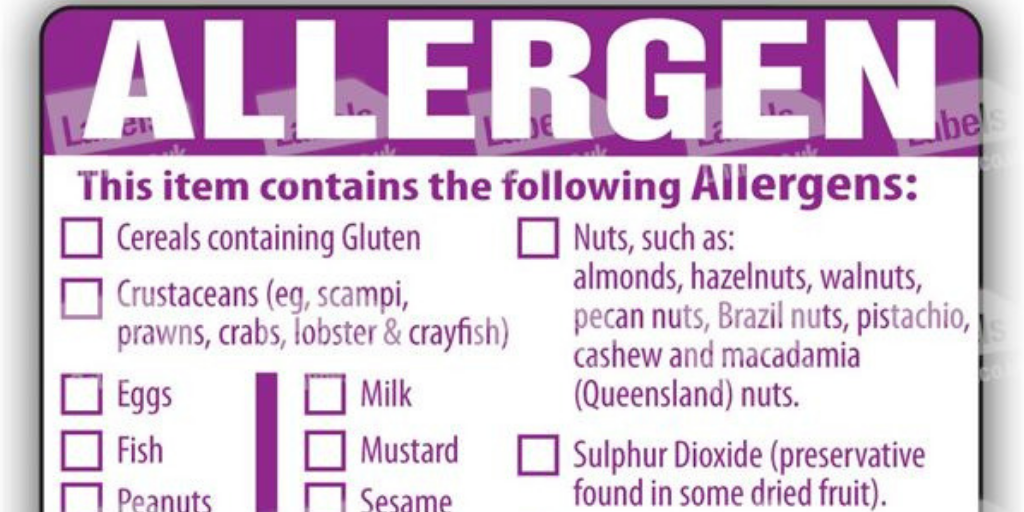
Get The Facts On Allergen Labels | New York Allergy and Sinus ...
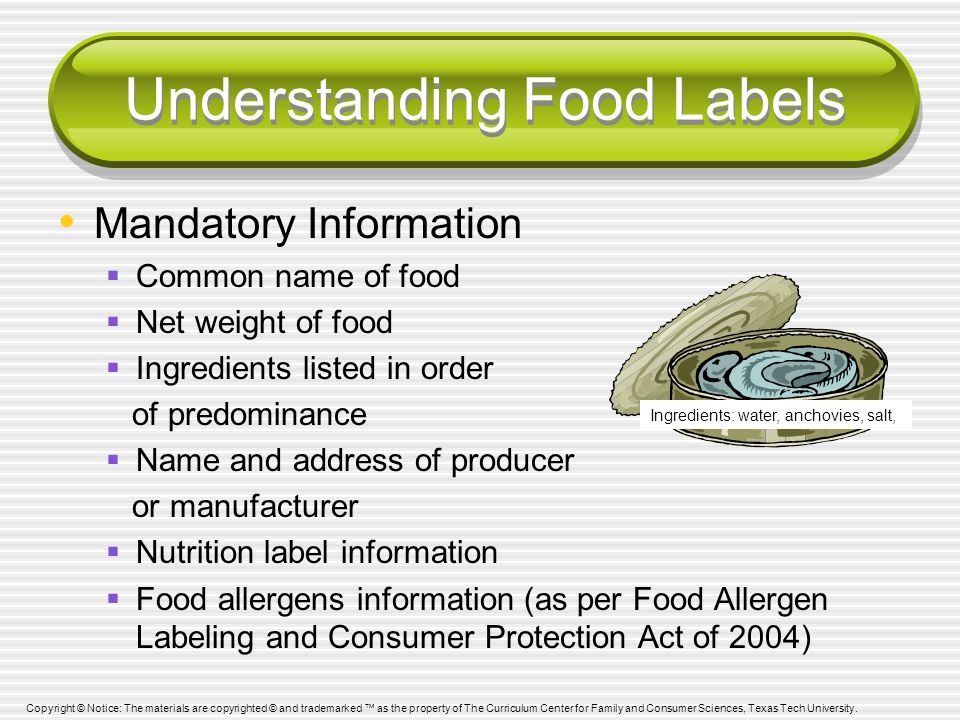
Understanding Food Labels - ppt video online download
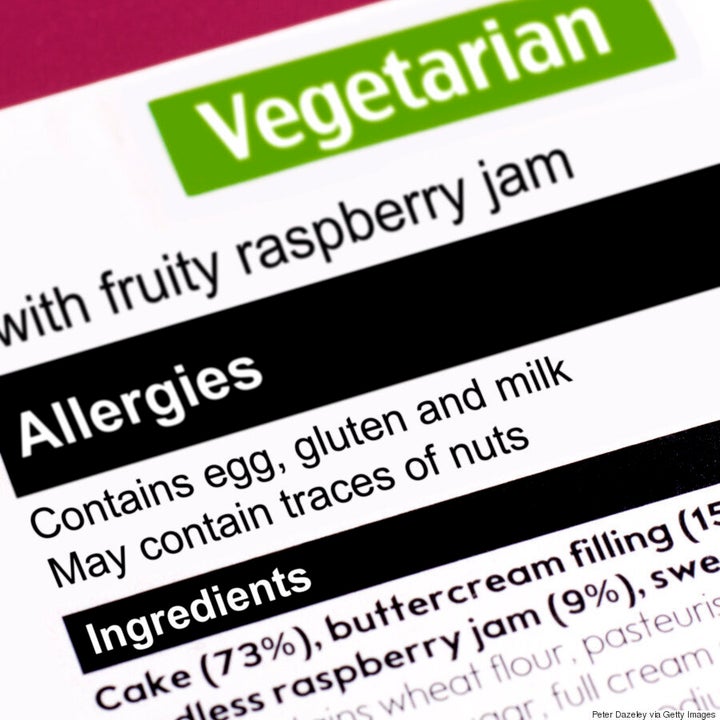
Food Allergy Labelling In Canada: What You Need To Know ...

Which Allergens Are in Your Food? You Can't Always Tell From ...
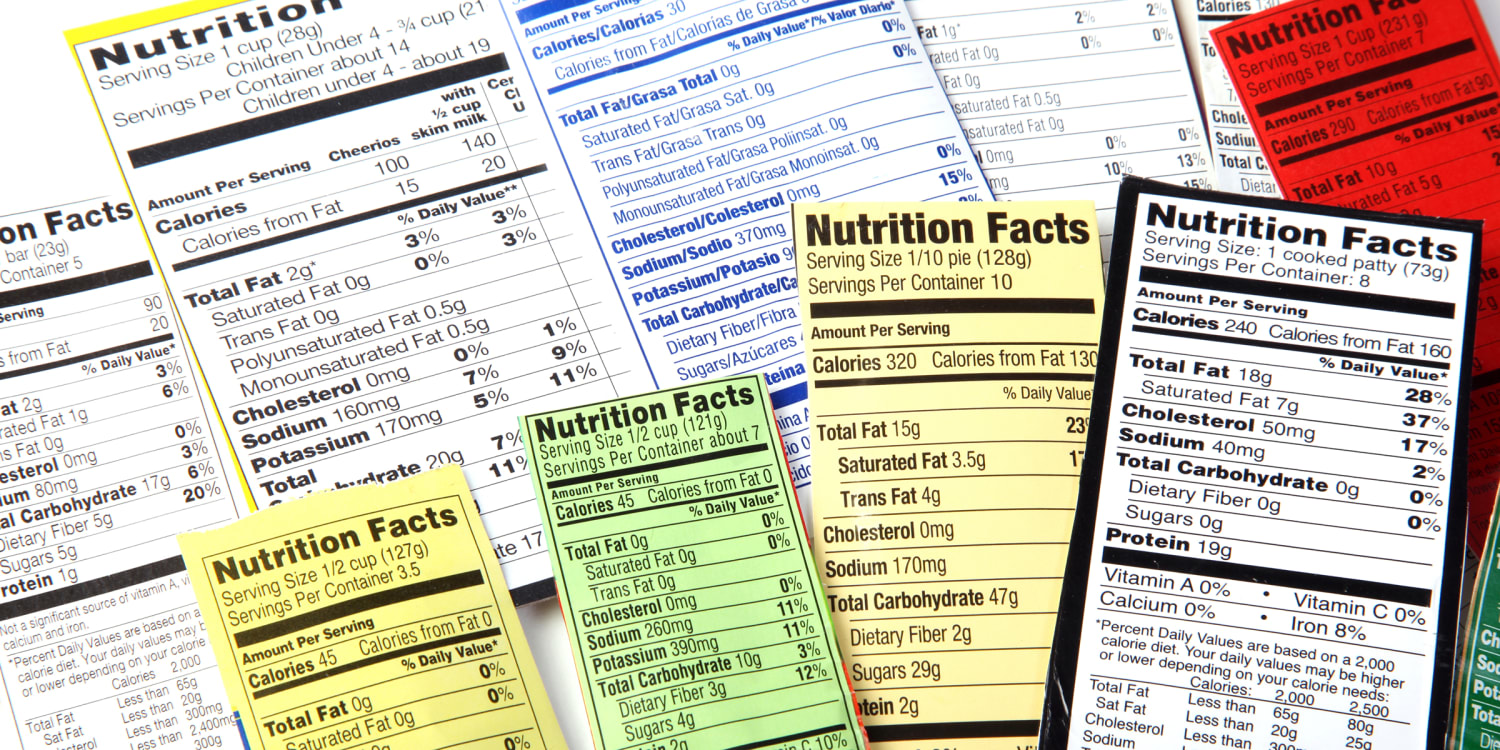
New food labeling rules from the FDA could spell danger for ...
New law puts sesame on fast track for allergen labeling ...

Living with Food Allergies | Lurie Children's
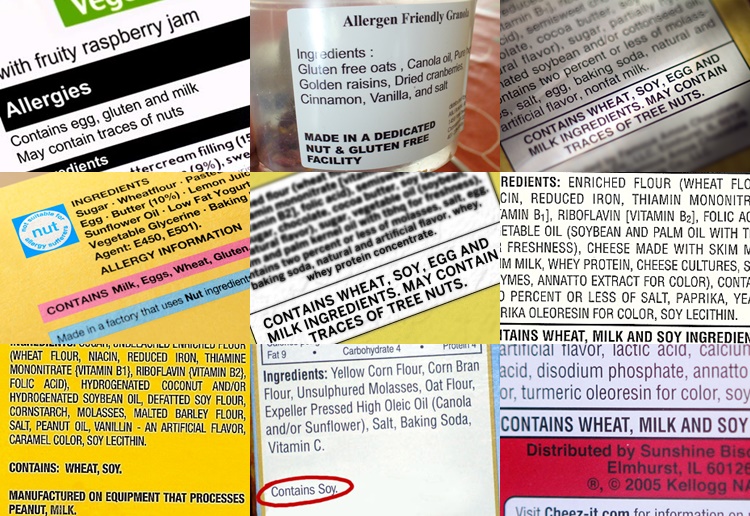
The Secrets to Decoding Food Labels for Dairy-Free Living
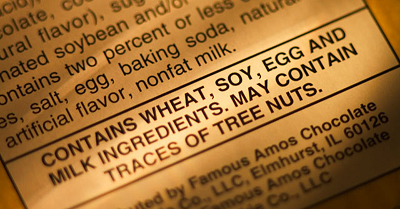
Food Allergies | FDA
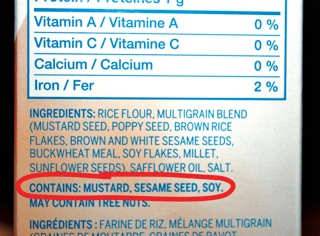
6 Areas for Successful Allergen Management - Food Safety Experts
Label reading for food allergies | Nutrition Education ...
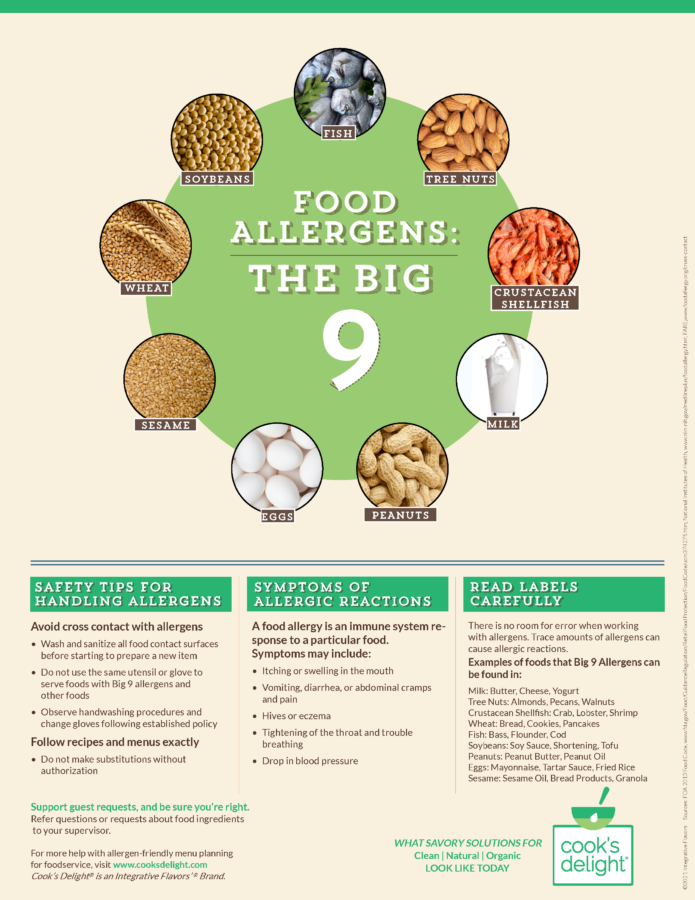
Big 9 Allergens – Updating Your Allergen Plan to Comply with ...
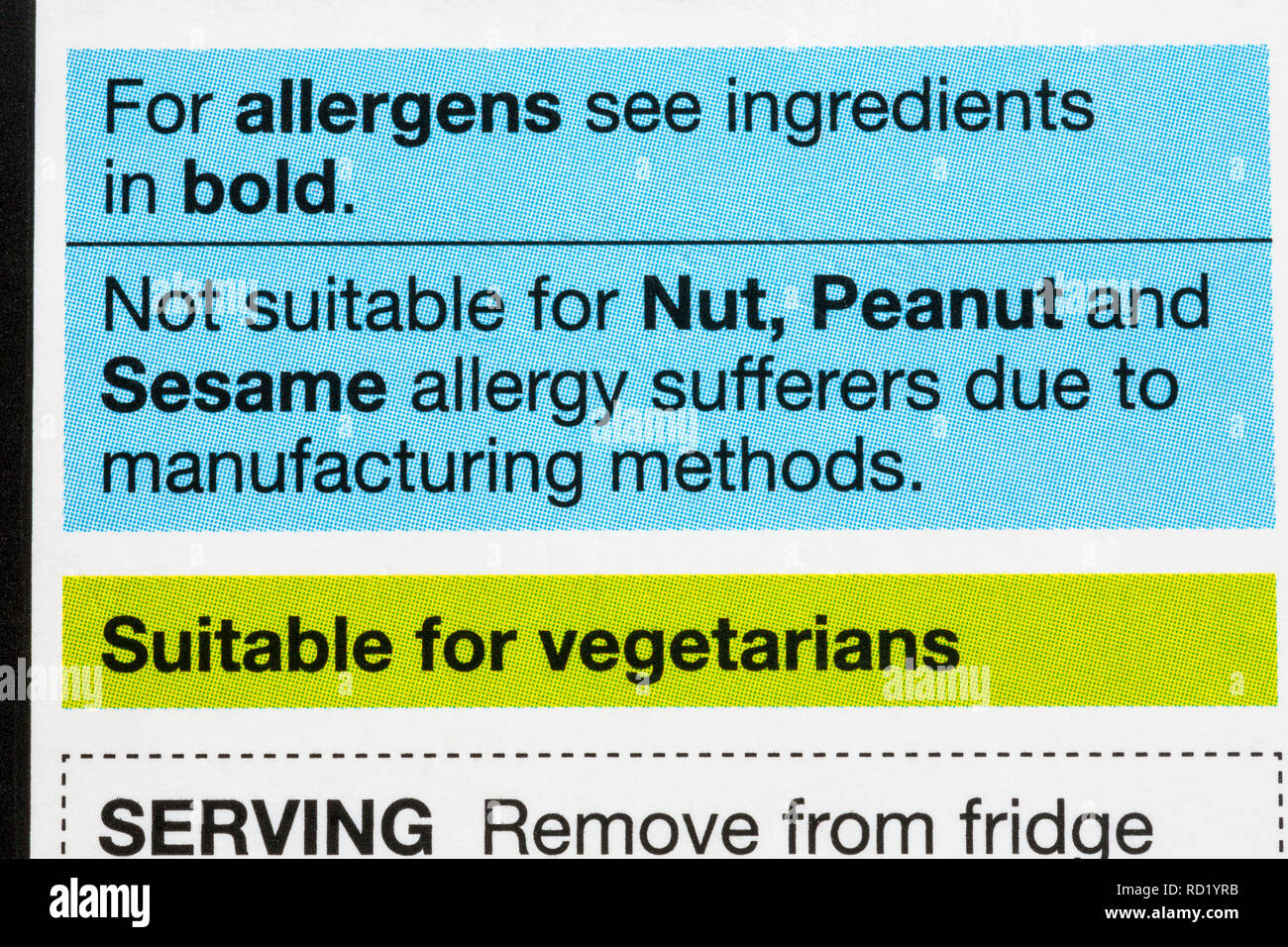
Nut allergy food label hi-res stock photography and images ...

May Contain Nuts: A Crash Course on FDA Food Allergy Labeling ...
Food Labelling | Allergy UK | National Charity
Food Label Claims - Agriculture
FMI | Navigating Food Allergen Labeling Requirements

Labeling of Allergens: Regulations and Best Practices that ...
Allergens: Where Food Safety and Labeling Intersect
Post a Comment for "41 allergens required on food labels"